Can Porcelain Veneers Fix Worn, Short, or Uneven Teeth in Ankeny, IA?

Porcelain veneers can often improve worn, short, uneven, or misshapen front teeth by changing the visible shape, length, color, and symmetry of each tooth. Veneers for worn teeth, veneers for short teeth, and veneers for uneven teeth all work the same basic way: a thin layer of custom porcelain covers the front surface of the tooth to create a longer, smoother, brighter, and more balanced smile. This approach works especially well when several front teeth need a more uniform appearance at once.

Veneers are not always the first step, though. If tooth wear comes from grinding, clenching, acid erosion, or bite problems, a dentist should evaluate the cause before placing porcelain veneers in Ankeny, IA. A cosmetic dentist in Ankeny can help determine whether dental veneers are the right fit for your smile or whether another step needs to happen first.

Can Veneers Fix Worn Teeth?

Yes. Veneers for worn teeth can restore length, shape, and a smoother visible surface to front teeth that have flattened or thinned out over time. Porcelain veneers for worn teeth cover the front of each tooth, so they improve the appearance of worn teeth without requiring the same level of change as a crown.

That said, veneers for worn teeth only work well when the underlying tooth is structurally healthy. A cosmetic dentist in Ankeny needs to confirm there is enough sound tooth length and enamel remaining to support the veneer before moving forward.

How Veneers Improve the Appearance of Worn Front Teeth

Veneers can make worn front teeth look:

  • Longer
  • Smoother
  • More even
  • More symmetrical
  • Brighter
  • Less aged
  • More proportional

Wear often shows up as flattened incisal edges, enamel wear along the biting surface, or a smile that feels uneven from side to side. By rebuilding the visible edge and surface of the tooth, veneers for worn front teeth can restore balance to the smile without touching the teeth behind them.

Why the Cause of Tooth Wear Matters Before Getting Veneers

Worn teeth rarely wear down for no reason. Common causes include:

  • Teeth grinding
  • Clenching
  • Bite imbalance
  • Acid erosion
  • GERD or acid reflux
  • Frequent acidic drinks
  • Age-related wear
  • Nail biting
  • Chewing habits
  • Old dental work
  • Orthodontic relapse

According to the American Dental Association, grinding and clenching are common habits that can leave teeth chipped, cracked, or worn along the edges. If a patient’s wear comes from an active grinding habit and that habit isn’t addressed, a new veneer can end up under the same pressure that damaged the natural tooth. That can lead to chipping, debonding, or premature wear on the porcelain itself.

When a Nightguard May Be Recommended With Veneers

If tooth wear is related to grinding or clenching, a dentist may recommend a custom nightguard for veneers after placement. A nightguard sits between the upper and lower teeth during sleep and helps protect porcelain veneers and the natural teeth around them from repeated pressure. Teeth grinding and veneers don’t have to be a bad combination as long as the habit is managed alongside cosmetic treatment.

Patients who know they grind their teeth, or who learn about it during a bruxism evaluation, often benefit from talking about a nightguard before finishing a veneer treatment plan. Cosmetic dentistry and bruxism go hand in hand more often than most patients expect.

Can Veneers Make Short Teeth Look Longer?

Yes, in many cases. Veneers for short teeth can extend the visible tooth shape and improve overall proportion. A dentist will still need to evaluate the bite, gumline, lip line, and tooth structure before confirming that porcelain veneers for short teeth are the right approach.

Why Some Teeth Look Short

Veneers for short teeth come up often in searches, but short-looking teeth actually have a few different explanations, including:

  • Natural tooth shape
  • Naturally small teeth
  • Worn edges
  • Grinding
  • A deep bite
  • Extra gum display
  • An uneven gumline
  • Eruption pattern
  • Old dental work
  • Tooth proportion imbalance

Not every case has the same cause, which is part of why a dentist needs to look closely before recommending treatment.

How Veneers Improve Tooth Length and Proportion

Veneers change the visible length, width, and shape of the tooth, which is how they make teeth look longer without altering the teeth behind them. A dentist has to be careful not to make teeth look too long, too bulky, or out of proportion with the patient’s face. That balance depends on several factors:

  • Tooth length
  • Tooth width
  • Smile line
  • Lip movement
  • Facial balance
  • Gumline
  • Symmetry

Getting these proportions right is what separates a natural-looking result from one that looks obviously done.

When Short Teeth Need More Than Veneers

Veneers may not be enough on their own if the issue involves:

  • Severe grinding
  • Very little remaining enamel
  • Major bite problems
  • Excessive gum coverage
  • Significant tooth damage
  • Structural weakness
  • Crowding or tooth position issues

Depending on the diagnosis, a patient may also need whitening, a gum evaluation, orthodontic treatment such as Invisalign, dental crowns for more significant tooth damage, or bite treatment before or alongside veneers. A consultation for cosmetic veneers in Ankeny is the most reliable way to find out which combination fits your smile.

Can Veneers Fix Uneven Teeth or Uneven Tooth Edges?

Yes. Porcelain veneers for uneven teeth can correct shape and symmetry issues that are difficult to fix with smaller cosmetic treatments, and in many cases, veneers can fix uneven teeth that other options can’t fully address.

Veneers Can Create a More Even Smile Line

Veneers for uneven front teeth can improve:

  • Uneven front teeth
  • Uneven incisal edges
  • Different tooth lengths
  • Misshapen teeth
  • Small teeth
  • Chipped edges
  • Smile line symmetry

Since each veneer is custom-made, a dentist can design several teeth together so they look balanced side by side, rather than treating one tooth in isolation.

Why Tooth Position Still Matters

Veneers cover the front surface of a tooth, but they do not move teeth the way orthodontic treatment like Invisalign does. Veneers for crooked teeth have limits: if teeth are severely rotated, crowded, or tilted, straightening teeth before veneers may be recommended. Patients considering Invisalign in Ankeny alongside cosmetic treatment often follow this sequence: alignment first, then veneers to refine shape and color once the teeth are in a stable position.

When Tooth Contouring or Bonding May Be Enough Instead

Some minor uneven edges can be improved with tooth contouring or bonding alone. If you want a bigger change in color, shape, or symmetry across several teeth, veneers tend to be the stronger option. A consultation for cosmetic dentistry in Ankeny is the clearest way to find out which approach fits your smile.

Are Porcelain Veneers Better Than Bonding for Worn or Uneven Teeth?

The right answer depends on the size of the problem and how many teeth are involved. Veneers vs. bonding for worn teeth and veneers vs. bonding for uneven teeth both come down to the same basic question: are you fixing one small area, or improving the whole smile?

Bonding May Work for Small Chips or Minor Edge Repairs

Composite bonding for worn teeth can be a good fit when:

  • A worn or uneven edge is limited to one or two teeth, not the whole smile
  • A lower upfront cost matters to you
  • The patient wants a faster appointment for a small edge repair
  • A more conservative approach is preferred over reshaping several teeth at once
  • Only one or two worn or chipped edges need attention
  • Repairability is a priority, since a bonded edge that wears down again from the same habit can often be touched up rather than replaced

Veneers May Be Better for Larger Smile Changes

Porcelain veneers vs. composite bonding tends to favor veneers when a patient wants:

  • Several worn or uneven teeth need to look consistent side by side, not just repaired one at a time
  • Better resistance to staining across teeth that have already lost enamel to wear
  • More control over shape when multiple edges are uneven lengths
  • Longer-lasting results on teeth that take repeated pressure from grinding or clenching
  • A brighter, more symmetrical smile once tooth length and edges are rebuilt evenly

The Best Choice Depends on Tooth Structure, Bite, and Smile Goals

Choosing between cosmetic bonding vs. veneers isn’t a one-size-fits-all decision. A cosmetic consultation helps determine whether bonding, veneers, crowns, whitening, orthodontic treatment such as Invisalign, or a combination plan makes the most sense. Patients who want a deeper side-by-side breakdown can review the practice’s full comparison of bonding and veneers for more detail, or schedule a visit with a cosmetic dentist in Ankeny, IA, to talk through their specific case.

What Makes Veneers Look Natural on Worn, Short, or Uneven Teeth?

Tooth Proportions Should Match the Face and Smile

Natural-looking veneers depend on proportions that fit the individual patient, not a generic template. Getting veneers that fit your smile design takes a dentist who considers:

  • Tooth length and width
  • Facial shape
  • Lip line and smile line
  • Gumline
  • Midline
  • Symmetry
  • How much tooth shows when speaking and smiling

Shade Selection Should Fit the Patient’s Natural Smile

Veneers can make a smile noticeably brighter, but overly white veneers can look artificial if the shade doesn’t fit the patient’s face, age, and remaining natural teeth. If only some teeth are being restored, a dentist may recommend professional teeth whitening first so the cosmetic porcelain veneers can be matched to the newly whitened shade.

Surface Texture and Translucency Help Veneers Look Real

Custom porcelain veneers can mimic natural enamel through subtle texture and translucency, which allows light to reflect off the tooth in a way that looks like real enamel rather than a flat, uniform surface. A veneer dentist in Ankeny pays close attention to these small details, since they’re often what separates a natural-looking result from one that looks obviously done.

What Happens During the Veneer Process for Worn or Uneven Teeth?

Step 1: Cosmetic Consultation and Bite Evaluation

During a porcelain veneers consultation with a dentist who provides veneers in Ankeny, the dentist evaluates:

  • Tooth wear
  • Tooth shape
  • Bite alignment
  • Signs of grinding
  • Gum health
  • Enamel condition
  • Smile goals
  • Photos or scans
  • Existing dental work
  • Color goals

If wear is related to grinding, the dentist may start planning protective measures at this stage.

Step 2: Smile Planning, Shade Selection, and Tooth Preparation

Once a plan is in place, the dentist selects a shade and plans the design for your cosmetic porcelain veneers. Porcelain veneers usually require some tooth preparation, depending on the case, which typically includes adjusting a small amount of enamel so the final result fits naturally and doesn’t look bulky.

Step 3: Custom Veneer Placement and Final Adjustments

The finished veneers are bonded to the teeth, polished, and checked for fit, bite, and appearance. A dentist experienced in porcelain veneers will also confirm the color and shape look natural alongside your remaining teeth before you leave. After placement, patients with dental veneers in Ankeny should keep up with routine dental checkups so the dentist can monitor how the veneers are holding up over time.

How Long Do Veneers Last on Worn or Uneven Teeth?

Veneer lifespan varies from patient to patient, and no dentist can promise an exact number of years. What’s clear is that certain habits and conditions tend to shorten how long porcelain veneers last, while good porcelain veneer care can help them hold up well over time.

What Can Shorten the Lifespan of Veneers?

  • Grinding or clenching
  • Hard biting habits
  • Poor oral hygiene
  • Gum disease
  • Acid erosion
  • Skipping dental visits
  • Nail biting
  • Using teeth as tools
  • Trauma
  • Untreated bite problems

How to Protect Veneers After Treatment

Veneers maintenance comes down to a few consistent habits:

  • Wear a nightguard if your dentist recommends one
  • Avoid chewing ice or hard objects
  • Brush and floss daily
  • Keep up with routine dental checkups
  • Keep your gums healthy
  • Address bite changes early
  • Avoid using your teeth as tools

Who Is a Good Candidate for Veneers for Worn, Short, or Uneven Teeth?

Veneers May Be a Good Fit If You Want a Bigger Cosmetic Change

Good candidates for porcelain veneers often have:

  • Worn but structurally healthy front teeth
  • Short-looking teeth
  • Uneven visible teeth
  • Stained teeth
  • Minor chips
  • Misshapen teeth
  • Multiple front teeth needing improvement
  • Healthy gums
  • A stable bite
  • Realistic expectations about the outcome

If you’re searching for porcelain veneers near me and recognize several of these on the list, you may be a good candidate for veneers, though a dentist still needs to confirm it in person.

Veneers May Not Be the First Step If Teeth Are Unhealthy or the Bite Is Unstable

Veneers aren’t always the right starting point. The American Dental Association notes that veneer treatment isn’t reversible, since a small amount of enamel is typically removed to place one, and that existing dental issues like decay or gum disease need to be treated first. Patients with severe grinding or a deep overbite may also need those factors addressed before a dentist recommends veneers.

Conditions that often need attention first include:

  • Active cavities
  • Gum disease
  • Severe grinding
  • Large fractures
  • Weak tooth structure
  • Untreated bite issues
  • Severe crowding
  • Poor oral hygiene

A Consultation Helps Decide Between Veneers, Bonding, Crowns, or Orthodontic Treatment

A dentist needs to evaluate the whole mouth, not just the front teeth, before recommending a specific treatment path. A veneers consultation in Ankeny with a cosmetic dentist in Ankeny is the best way to find out where you stand.

FAQs About Veneers for Worn, Short, or Uneven Teeth

Can veneers fix worn-down front teeth?

Yes. Veneers can often improve the appearance of worn-down front teeth by restoring visible length, shape, and symmetry. The cause of the wear should be evaluated first.

Can veneers make short teeth look longer?

Yes. Porcelain veneers can make short teeth look longer and more proportional when the bite, gumline, and tooth structure support treatment.

Can veneers fix uneven teeth?

Veneers can improve uneven tooth shape, length, and edges. If teeth are severely misaligned, orthodontic treatment may be recommended before veneers.

Are veneers better than bonding for worn teeth?

Veneers may be better for larger or longer-lasting cosmetic changes, while bonding may work well for small chips or minor repairs.

Do I need a nightguard after veneers?

Patients who grind or clench may need a custom nightguard to protect their veneers from excess pressure.

Where can I get veneers for worn or uneven teeth in Ankeny, IA?

Patients in Ankeny can schedule a porcelain veneers consultation with Peddicord Family Dentistry.

Schedule a Porcelain Veneers Consultation in Ankeny, IA

If worn, short, or uneven front teeth make your smile look older or less balanced, schedule a cosmetic dentistry consultation with Peddicord Family Dentistry in Ankeny, IA. A dentist can evaluate your teeth, discuss your goals, and help you find out whether porcelain veneers or other smile makeover options are the right fit for your smile.


Can Porcelain Veneers Close Gaps Between Teeth in Ankeny, IA?

Porcelain veneers can close some visible gaps between teeth, especially when the spacing is related to small, narrow, undersized, or unevenly shaped teeth. Veneers for gaps work by changing the size, shape, and proportions of the front teeth, which can make them look wider, more even, and more proportional. For patients in Ankeny, IA, porcelain veneers for gaps may be a good option when spacing shows up along with small teeth, uneven tooth shapes, discoloration, or broader smile concerns.

Veneers do not move teeth, though. If the spacing comes from tooth position, bite alignment, or orthodontic relapse, Invisalign may be recommended before veneers, or used instead of them.

This guide looks at when porcelain veneers in Ankeny, IA can close gaps with veneers in a way that looks natural, when a broader smile plan involving dental veneers works better than treating one or two teeth, and how a cosmetic dentist in Ankeny decides on the right approach for your smile.

Can Veneers Close Gaps Between Teeth?

Yes, in many cases. Veneers for gaps work by covering the front surface of the teeth with a thin, custom-made porcelain shell. The shell is shaped to make the tooth look slightly wider and more balanced next to its neighbors. This closes or reduces the visible gap without touching the tooth root or its position in the jaw.

Porcelain veneers for gaps are a cosmetic solution, not an orthodontic one. Close gaps with veneers and you change how the tooth looks. You do not change where the tooth sits. That distinction matters when you and your dentist decide whether dental veneers for gaps are the right starting point for your smile.

How Veneers Close Gaps Without Moving Teeth

Cosmetic veneers in Ankeny are made from custom porcelain and bonded to the front of the tooth. The dentist designs each veneer with a specific tooth width and shape in mind, so the finished tooth looks fuller and closer to its neighbor.

Because the change happens on the visible surface, veneers can improve:

  • Tooth width and how much space shows between teeth
  • Tooth shape and edge contour
  • Smile symmetry from left to right
  • Natural proportions across the visible front teeth

The result is a smile that looks more even, even though the teeth themselves have not shifted position.

What Types of Gaps Can Veneers Improve?

Veneers tend to work well for:

  • Small to moderate gaps between one or more teeth
  • Multiple small spaces across the front teeth
  • Spaces caused by naturally narrow teeth
  • Spaces caused by undersized teeth
  • Gaps paired with uneven tooth shape
  • Gaps paired with discoloration
  • Gaps paired with worn or short teeth
  • General cosmetic spacing across the smile

When Veneers May Not Be the Right Gap Treatment

Veneers are not the answer for every gap. They may not be ideal when:

  • The gap is very large
  • The teeth are severely flared
  • There is significant bite misalignment
  • The spacing comes from a missing tooth
  • The gums are not healthy
  • The teeth are crowded or rotated in addition to spaced
  • You want the smallest possible cosmetic change

In these situations, Invisalign, cosmetic bonding, dental crowns, dental bridges, or implant restoration may be a better fit depending on the underlying cause. According to the American Dental Association, veneers can mask gaps in a smile, but the treatment is not reversible, so it is worth ruling out other causes first.

Are Veneers Better Than Bonding for Closing Gaps?

The honest answer is that it depends on how many teeth are involved and how much cosmetic change you want. Comparing veneers vs. bonding for gaps often comes down to whether you are treating one small space or planning a fuller cosmetic change across your smile.

Bonding May Be Better for One Small Gap

Cosmetic bonding tends to work well when only one small, central gap needs attention. Bonding for a small gap between one or two teeth usually means:

  • A minor, focused change to one area
  • A lower upfront cost
  • A faster appointment, often completed in one visit
  • A repair that can be touched up chairside if it chips later

Veneers May Be Better for Multiple Gaps or a Fuller Smile Change

Veneers tend to make more sense when the goal reaches beyond one small space, especially for porcelain veneers for front tooth gaps involving more than one or two teeth. Consider veneers if:

  • Several front teeth show spacing
  • The teeth are also small or narrow
  • You want a fuller, wider-looking smile
  • You want a whiter smile at the same time
  • You want more even tooth shapes across the smile
  • Old bonding has stained or chipped and needs a longer-term replacement
  • You want a more stain-resistant, longer-lasting cosmetic result

Weighing cosmetic bonding vs. veneers on your own can be difficult, since the right answer depends on details specific to your teeth. For a full side-by-side look at how these two treatments compare, the practice’s comparison of composite bonding and porcelain veneers covers cost, durability, and candidacy in more depth.

Invisalign May Be Better When the Teeth Need to Move

If the gap exists because the teeth themselves are out of position, veneers will not solve the root cause. Orthodontic treatment may be recommended first, with veneers considered afterward if tooth size or shape still needs improvement. As a simple way to remember the difference: Invisalign moves teeth; veneers redesign how teeth look. A consultation for cosmetic dentistry in Ankeny is the most reliable way to find out which approach fits your specific gap.

Can Veneers Close a Gap Between the Two Front Teeth?

A gap between the two upper front teeth, sometimes called a diastema, is one of the most common reasons patients ask about porcelain veneers for front teeth. Veneers for a front tooth gap can work well in some cases, while bonding or Invisalign may be the better choice in others, depending on the size of the gap and what is causing it.

Veneers Can Work When the Front Teeth Are Narrow or Undersized

When the two front teeth are simply narrower than average, veneers can add width along each side to close a front tooth gap. This closes or noticeably reduces the visible space while keeping the teeth looking proportional to the rest of the smile. For a smaller, more conservative version of this fix, cosmetic bonding can sometimes achieve a similar result on one or two teeth, as covered in the earlier comparison of bonding and veneers.  

Veneers Can Look Unnatural If the Gap Is Too Large

A very wide gap closed only by widening the two front teeth can leave them looking too broad or square. In that case, a broader veneer plan involving more teeth, or Invisalign to bring the teeth closer together first, tends to produce a more natural look than treating dental veneers on the front teeth alone.

A Smile Design Plan Helps Protect Natural Tooth Proportions

Before recommending veneers for a gap between the front teeth, your dentist considers the width-to-length ratio of the front teeth, the size of the lateral incisors next to them, the curve of the smile line, and the gumline. These factors work together, and changing one tooth without considering the rest of the smile can throw off the overall balance.

Can Veneers Close Multiple Gaps Across the Smile?

This is where veneers separate themselves from a quick bonding fix. Closing several gaps at once calls for planning that looks at the whole smile, not just one tooth at a time. Veneers for multiple gaps, sometimes discussed as veneers for a smile makeover when several front teeth are involved, work best when the dentist treats the spacing as one connected plan rather than a series of separate repairs.

Veneers Can Improve Spacing and Tooth Shape at the Same Time

When several teeth are treated together, porcelain veneers for spaced teeth can address more than the gaps themselves. The same treatment plan can also adjust:

  • Tooth color
  • Tooth length
  • Tooth width
  • Edge shape
  • Symmetry
  • Surface texture
  • Overall smile fullness

Multiple Gaps Usually Require a Broader Cosmetic Plan

Closing several gaps tooth by tooth, without a plan, can leave the smile looking uneven. A dentist evaluating multiple gaps considers the smile line, the lip line, the midline, how much tooth shows when you smile, overall proportions, the gumline, and facial balance.

Why Treating Several Teeth Can Look More Natural Than Treating Only Two

If more than two teeth are undersized or spaced, spreading the cosmetic change across several visible teeth, instead of concentrating it on just two, often distributes the width change more evenly. This helps avoid a result where one or two teeth look noticeably larger than the rest.

How Do Dentists Design Veneers So Gap Closure Looks Natural?

Natural-looking veneers depend on more than closing the visible space. A veneers dentist in Ankeny has to plan around the proportions of your entire smile, not just the width of one tooth, to get cosmetic porcelain veneers to look like they belong there.

Tooth Proportion Determines Whether Gap Closure Looks Balanced

Every veneer is designed around a relationship between tooth width, tooth height, tooth shape, and the teeth next to it. A dentist planning custom porcelain veneers looks at the central incisors, the lateral incisors, the canines, the width-to-length ratio of each tooth, and how symmetrical the front teeth appear as a group.

The Gumline and Smile Line Affect the Final Result

If a gap sits close to the gums, or if the gumline itself is uneven, the dentist has to account for how the edge of the veneer will meet the gum tissue. Veneers planned as part of smile design account for this relationship in mind so the final result looks like it belongs there.

Veneer Shade Should Be Planned Before Treatment Begins

If you want a brighter smile along with a more even one, teeth whitening before veneers is usually the right sequence, especially when some of your natural teeth will stay visible next to the veneers. Since porcelain does not respond to whitening once it is placed, thinking through veneers and whitening together, rather than one after the other without a plan, matters here. Professional teeth whitening in Ankeny done first lets your dentist match the veneers to your desired final shade instead of guessing at a shade that might not stay consistent. This kind of planning for cosmetic dentistry treatment helps the final result hold up over time.

What Causes Gaps That Veneers May or May Not Fix?

What causes gaps between teeth matters just as much as how visible the gap is. Understanding the cause helps clarify whether veneers, Invisalign, or another treatment makes the most sense.

Small or Narrow Teeth Can Create Visible Spaces

Naturally narrow teeth, peg-shaped lateral incisors, or small front teeth can leave visible spaces between teeth even when the teeth are positioned normally. These cases tend to respond well to veneers because the fix is about tooth shape, not tooth position.

Tooth Position or Orthodontic Relapse May Require Invisalign

If teeth have shifted after braces, or were never positioned correctly to begin with, the gap is a position problem. Invisalign may be the more appropriate treatment for gap teeth, or at least the right first step, before any cosmetic work is considered.

Gum Recession or Black Triangles May Need a Different Plan

Some small triangular spaces near the gumline are not tooth gaps in the traditional sense. They can result from gum recession, changes in the supporting bone, or tooth shape near the root. Veneers may help in some of these cases, but not all, so an in-person evaluation matters here.

Since the right cosmetic treatment for gaps depends on the actual cause, an in-person evaluation is the most reliable way to find out which option fits your smile. 

What Happens During Porcelain Veneer Treatment for Gaps?

A cosmetic veneer treatment for gaps in Ankeny generally follows three stages, from the first consultation through final placement.

Step 1: Cosmetic Consultation and Spacing Evaluation

Your porcelain veneers consultation starts with your dentist evaluating the size of the gap, how many spaces are involved, tooth size and shape, bite alignment, gum health, enamel condition, and your overall smile goals. Photos or digital scans are often taken to plan the case, and your dentist will also confirm whether Invisalign should come first.

Step 2: Smile Design and Veneer Planning

Next, the dentist maps out how many teeth need veneers, how much shape change each tooth requires, and what final shade will look natural against your other teeth.

Step 3: Tooth Preparation, Custom Veneers, and Placement

Dental veneers in Ankeny are custom-made to fit your teeth and bonded into place. How much tooth preparation is needed varies by case. Not every veneer requires the same amount of enamel adjustment, so your dentist will explain what your specific treatment plan involves before moving forward.

How Many Veneers Do You Need to Close Gaps?

There is no single answer to how many veneers I need to close a gap. The right number depends on gap location, smile width, tooth size, symmetry, and what you want the final result to look like.

One or Two Veneers May Work for a Small Isolated Gap

If only one area is affected and the rest of your smile already looks balanced, treating just one or two teeth may be enough.

Four, Six, or More Veneers May Be Better for Smile Balance

If several visible teeth are small, uneven, discolored, or spaced, veneers for multiple gaps across the front teeth can create a more uniform and natural-looking result than treating just one or two spots. This is often the case behind a smile makeover with veneers, where veneers for front teeth are planned as a set rather than one at a time.

A Consultation Helps Avoid Over-Treating or Under-Treating the Smile

The goal of meeting with your dentist in Ankeny is to treat enough teeth to create real balance, without recommending more dentistry than your smile actually needs.

Who Is a Good Candidate for Veneers to Close Gaps?

Not every patient with a gap is automatically a candidate for veneers, since the right fit depends on both the gap itself and the health of the surrounding teeth and gums.

Veneers May Be a Good Fit If Your Gaps Are Part of a Cosmetic Smile Concern

You may be a good candidate for porcelain veneers if you have:

  • Small to moderate gaps
  • Multiple small spaces
  • Narrow or small teeth
  • Uneven tooth shapes
  • Discoloration
  • Worn edges
  • Healthy gums and a stable bite
  • A desire for a long-term cosmetic change

Veneers May Not Be the First Step If Alignment Is the Main Problem

Veneers may not be the right starting point if you have:

  • Severe spacing or a large diastema
  • Flared teeth
  • Bite problems
  • Crowding combined with spacing
  • Orthodontic relapse
  • Missing teeth
  • Active gum disease

The Dentist Should Compare Veneers, Bonding, and Invisalign

The best treatment depends on whether the real issue is tooth shape, tooth color, tooth size, or tooth position. A cosmetic dentist in Ankeny can walk through each option with you and explain which one addresses your specific gap the right way. If you have searched for porcelain veneers near you and want a clear answer, booking a visit with a cosmetic dentist in Ankeny is the most direct way to find out. 

FAQs About Veneers for Gaps in Ankeny, IA

Can veneers close gaps between teeth? 

Yes. Veneers can close some gaps by changing the visible size and shape of teeth, especially when the teeth are small, narrow, or uneven.

Are veneers better than bonding for gaps? 

Veneers may be better for multiple gaps or larger cosmetic changes. Bonding may be better for one small gap and a more conservative repair.

Can veneers close a gap between the two front teeth? 

Yes, veneers can close some front tooth gaps, but very large gaps may need Invisalign or a broader smile design plan.

Do veneers move teeth? 

No. Veneers do not move teeth. They change the visible shape, size, and color of teeth. Invisalign is used when teeth need to be moved.

How many veneers do I need to close gaps? 

The number depends on how many gaps are visible, tooth size, smile width, and your cosmetic goals. Some patients need two veneers, while others need four, six, or more.

Where can I get veneers for gaps in Ankeny, IA? 

Patients in Ankeny can schedule a porcelain veneers consultation with Peddicord Family Dentistry. 

Schedule a Veneer Consultation for Gaps in Ankeny, IA

If gaps between your teeth affect your smile and you want a more balanced, natural-looking result, schedule a porcelain veneers consultation with Peddicord Family Dentistry in Ankeny, IA. Whether veneers, cosmetic bonding, Invisalign, cosmetic dentistry, or a combination of treatments fits your smile best, our team can walk you through the options and build a smile design plan around your actual goals.


Can Composite Bonding Repair Chipped or Worn Front Teeth in Ankeny, IA?

Composite bonding can often repair small chips and worn edges on front teeth by rebuilding the missing area with tooth-colored resin. For patients looking into chipped tooth bonding in Ankeny, IA, bonding may be a conservative cosmetic option when the tooth is healthy, the damage is minor, and the bite does not place too much pressure on the repair. More severe fractures, bite problems, active decay, or heavy grinding may require a different approach. A dentist at Peddicord Family Dentistry can evaluate your tooth and help you understand which repair makes the most sense for your situation.

Can Composite Bonding Fix a Chipped Front Tooth?

Yes, bonding can often repair a small to moderate chip on a front tooth. Composite bonding for a chipped tooth works well when there is no deep crack, active decay, nerve involvement, or significant bite issue affecting the damaged area. It is one of the most common cosmetic repairs for front tooth damage because it is fast, conservative, and does not require removing healthy tooth structure.

Chipped front tooth repair in Ankeny using composite bonding typically takes one visit and can restore both the appearance and smoothness of the tooth. The bonding and contouring service at Peddicord Family Dentistry covers both cosmetic chips and minor shape corrections in a single appointment.

How Bonding Rebuilds the Missing Part of a Chipped Tooth

The process for composite bonding teeth follows a straightforward sequence:

  1. The dentist cleans and lightly prepares the tooth surface
  2. A tooth-colored composite resin is selected to match your natural shade
  3. The resin is applied to the chipped area and shaped by hand
  4. The material is hardened with a curing light
  5. The bonded area is polished to blend with the surrounding enamel
  6. The bite is checked and adjusted if needed

The goal is to restore both the look and function of the tooth so the edge feels smooth and the shape looks natural.

What Types of Chips Are Best for Bonding?

Dental bonding for a chipped tooth works best in these situations:

  • Small enamel chips on the front surface or edge
  • Minor corner fractures with no pain
  • Rough or uneven front tooth edges
  • Slight chips from accidental biting or minor trauma
  • Old bonding that needs repair or replacement
  • Cosmetic chips that affect appearance but not tooth structure

These cases tend to respond well to composite tooth bonding because the surrounding enamel is still healthy and the damage is limited to the surface.

When a Chipped Tooth Needs More Than Bonding

Bonding may not be enough if the damage is more serious. A dentist will look for signs that a different treatment is needed, including:

  • A large piece of the tooth is missing
  • The tooth is painful or sensitive
  • The tooth feels loose
  • The crack extends below the gumline
  • There is active decay around the chip
  • The nerve may be affected

In these cases, a porcelain veneer, dental crown, or other restorative care may be more appropriate. The right answer depends on the extent of the damage and the health of the remaining tooth structure.

Can Composite Bonding Repair Worn Front Teeth?

Bonding can rebuild some worn edges, but the dentist must first understand why your teeth are worn. Repairing front teeth worn down by grinding, clenching, acid erosion, or bite problems without addressing the root cause can lead to the bonding chipping or wearing again quickly.

Bonding for worn teeth is a good option in many cases, but it works best as part of a plan that also addresses what caused the wear.

Bonding Can Restore Minor Edge Wear and Uneven Tooth Length

Composite edge bonding can add shape back to worn incisal edges and improve the symmetry of your front teeth. Patients often notice that their front teeth look shorter than they used to, have flattened edges, or feel rough when they run their tongue across them.

Edge bonding for teeth can correct:

  • Worn or flattened incisal edges
  • Uneven tooth length between front teeth
  • Short-looking front teeth from gradual wear
  • Rough or jagged edges caused by minor chips or abrasion
  • Small cosmetic inconsistencies in the smile line

Incisal edge bonding is a conservative way to restore tooth proportions without removing healthy enamel.

Why the Cause of Tooth Wear Matters Before Bonding

Before placing composite bonding on worn front teeth, a dentist will look at why the wear happened. Common causes include:

  • Bruxism (teeth grinding during sleep)
  • Daytime clenching
  • Bite imbalance or misalignment
  • Acid reflux wears enamel from the inside
  • Frequent consumption of acidic drinks
  • Nail biting or chewing on pens
  • Chewing ice or other hard objects
  • Age-related enamel wear over time

If the cause is not addressed, bonded teeth may chip or break sooner than expected. Your dentist will evaluate the wear pattern and may recommend additional steps before completing the repair.

When a Nightguard May Be Recommended After Bonding

Patients who grind or clench their teeth may need a custom nightguard to protect their bonding after treatment. Worn teeth from grinding place repeated pressure on the front teeth, and bonded teeth are not immune to that force.

According to the National Institute of Dental and Craniofacial Research, severe bruxism can lead to damaged teeth, enamel cracks, and damage to existing restorations if left untreated. A custom nightguard can reduce the direct contact between upper and lower teeth during sleep and help protect composite bonding over time. If grinding or clenching is a factor in your tooth wear, your dentist will likely discuss bruxism treatment as part of your overall plan before or alongside the cosmetic repair.

Is Bonding Better Than Veneers or Crowns for Chipped Front Teeth?

The answer depends on the size of the chip, the condition of the tooth, and what you want the final result to look like. Bonding, veneers, and crowns each serve a different purpose. Here is how they compare for front tooth repair.

Bonding Is Often Better for Small Chips and Conservative Repairs

For minor front tooth chip repair, composite bonding offers several advantages:

  • Lower upfront cost compared to veneers or crowns
  • Usually completed in a single visit
  • Requires little to no removal of healthy tooth structure
  • Can often be repaired if it chips again
  • Works well when the surrounding enamel is healthy, and the damage is limited

Cosmetic bonding in Ankeny is a practical starting point for patients who want a conservative fix for a small chip or worn edge.

Veneers May Be Better for Larger Cosmetic Changes

Porcelain veneers may be a better fit when the patient wants to improve the shape, color, or symmetry of multiple front teeth at once. Veneers are also more stain-resistant than composite resin and tend to last longer with proper care.

Veneers for chipped or worn teeth make more sense when:

  • Multiple front teeth need improvement
  • Old bonding keeps staining or chipping
  • The patient wants a more predictable long-term cosmetic result
  • A full smile design or makeover is the goal

Crowns May Be Needed When the Tooth Is Structurally Weakened

A dental crown covers the entire tooth and provides more protection when the tooth is significantly weakened. Crowns for chipped teeth may be the right option when a large fracture is present, the tooth has a large existing filling, or the tooth structure can no longer support a bonded repair on its own.

Your dentist will recommend a crown only when the tooth genuinely needs that level of protection.

What Happens During Composite Bonding for a Chipped or Worn Tooth?

Step 1: Examining the Tooth, Bite, and Gum Health

Before any cosmetic dental bonding is placed, your dentist will do a thorough evaluation. This includes checking:

  • The size and depth of the chip or wear
  • Your bite and how pressure is distributed across your front teeth
  • Signs of grinding or clenching
  • Gum health around the affected tooth
  • Tooth sensitivity or pain
  • Any cracks, decay, or old restorations nearby
  • Overall smile symmetry and tooth proportions

Intraoral photos or digital X-rays may be taken to get a complete picture of the tooth and surrounding structures.

Step 2: Matching the Composite Resin to the Tooth Shade

Shade matching is one of the most important steps in cosmetic tooth bonding. The dentist selects a composite resin color that closely matches your natural enamel so the repair blends in.

If you are considering professional teeth whitening before bonding, it is worth doing first rather than after. Composite resin does not respond to whitening treatments once it is placed. Completing whitening before bonding allows the dentist to match the resin to your new, brighter shade for a more consistent result across your smile.

Step 3: Shaping, Bonding, and Polishing the Repair

Once the shade is selected, the dentist applies the composite resin to the tooth and shapes it to match the natural edge, contour, and surface texture of your tooth. The resin is hardened with a curing light, then carefully polished.

The bite is checked after the bonding is placed to make sure the repair does not hit too heavily when you close. Small adjustments are made until the bite feels comfortable and the repair looks natural.

How Natural Does Bonding Look on Front Teeth?

Composite bonding can look very natural on front teeth when the shade, shape, polish, and contour are carefully matched to the surrounding teeth. Most patients find that well-placed cosmetic bonding is not noticeable in everyday conversation.

Tooth Shape and Edge Design Matter for Front Tooth Bonding

The shape of the bonded edge plays a big role in how natural the result looks. A skilled cosmetic dentist in Ankeny will consider:

  • Rounded versus square edge shape based on your tooth type
  • Symmetry between the upper front teeth
  • Tooth length and proportions
  • Surface texture that mimics natural enamel
  • The overall smile line

Dental bonding and contouring are often done together to refine the shape of multiple teeth and create a more balanced appearance across the smile.

Polishing Helps Bonding Blend With Natural Enamel

The final polishing step affects how smooth and light-reflective the bonding looks next to your natural teeth. Over time, composite resin can dull slightly, and a routine polish during a dental cleaning can help restore its appearance.

Bonding may benefit from maintenance polishing at your regular checkups to keep it looking its best.

Whitening Should Usually Happen Before Cosmetic Bonding

Composite resin is matched to the color of your teeth at the time of placement. It cannot be whitened after the fact. If you want a brighter overall smile, completing teeth whitening and bonding together as a planned sequence gives a cleaner, more consistent result.

How Long Does Bonding Last on Chipped or Worn Front Teeth?

Composite bonding on front teeth can last several years with proper care, but it is not permanent. Front teeth take more impact than back teeth during everyday use, so bonding in this area does require some attention and habit awareness. Exact longevity varies by patient and depends on several factors.

What Can Cause Bonding to Chip Again?

The most common reasons composite bonding on front teeth breaks or chips include:

  • Teeth grinding or clenching without a nightguard
  • Nail biting or chewing on pens
  • Biting into hard foods directly with front teeth
  • Chewing ice
  • Using teeth to open packages or bite through thread
  • Acid erosion from reflux or acidic drinks
  • Infrequent dental cleanings
  • Poor oral hygiene around the bonded tooth

How to Make Bonding Last Longer

These habits help protect composite bonding over time:

  • Wear a custom nightguard if your dentist recommends one
  • Avoid biting directly into hard foods like apples or crusty bread with front teeth
  • Brush and floss daily, including around the bonded margin
  • Keep your regular cleaning and exam appointments
  • Limit coffee, tea, and red wine to reduce staining
  • Contact your dentist if an edge starts feeling rough or uneven
  • Address any bite issues before they put stress on the repair

Can You Fix a Chipped or Sharp Tooth at Home?

No. Filing, sanding, or gluing a chipped tooth at home is not safe and can make the problem worse. This comes up often in online searches, and it is worth addressing directly.

Why You Should Not File or Glue a Tooth at Home

Enamel does not grow back. Filing a tooth at home removes enamel permanently and can create new sharp edges, increase sensitivity, or change your bite in ways that cause problems later. Over-the-counter dental glue products and DIY bonding kits are not designed to replicate what a dentist does with professional-grade composite resin.

Attempting home repairs can also mask signs of a deeper crack or decay that a dentist needs to treat before placing any restoration.

What You Can Do Before Your Dental Appointment

If you have a chipped front tooth and cannot get to the dentist immediately, here are safe steps to take in the meantime:

  • Avoid chewing on the chipped tooth
  • Rinse gently with water if needed
  • Save any broken tooth fragment if possible
  • Use orthodontic wax as a temporary cover for a sharp edge if one is available
  • Call your dentist right away if there is pain, swelling, bleeding, or a large fracture

These steps do not repair the tooth, but they can help you stay comfortable until your appointment.

How Much Does Bonding Cost for a Chipped or Worn Front Tooth in Ankeny?

The cost of chipped tooth bonding in Ankeny varies from patient to patient. There is no single price because the treatment depends on the specifics of each case.

What Affects the Cost of Front Tooth Bonding?

Factors that influence the cost of composite bonding include:

  • The number of teeth being treated
  • The size of the chip or the amount of wear
  • Whether whitening is recommended before bonding
  • Whether a bite adjustment is needed
  • Whether a custom nightguard is part of the plan
  • Whether old bonding needs to be removed and replaced
  • Whether x-rays or additional diagnostic steps are needed
  • Whether a veneer or a crown would be more appropriate than bonding

Affordable dental bonding near Des Moines and in the Ankeny area is available, and Peddicord Family Dentistry can discuss financing options during your consultation.

Why a Cosmetic Consultation Gives a Better Estimate

A consultation allows your dentist to see the tooth in person, evaluate your bite, take any needed diagnostic images, and understand your goals. Only after that evaluation can a specific recommendation and cost estimate be provided. An online quote is not a substitute for an in-person exam.

Who Is a Good Candidate for Chipped or Worn Tooth Bonding?

Bonding May Be a Good Fit If the Damage Is Small and the Tooth Is Healthy

You may be a good candidate for composite bonding if:

  • The chip is small or the wear is minor
  • The tooth is otherwise healthy with no active decay
  • Your gums are in good health
  • You do not have severe grinding or significant bite issues
  • You want a conservative repair without removing healthy enamel
  • Your goal is to improve appearance and smoothness without a major procedure

Patients looking for cosmetic dentistry in Ankeny who want a straightforward, single-tooth fix often find that bonding fits their needs well.

Bonding May Not Be the Best Option If the Tooth Is Weak or Heavily Worn

Bonding may not be the right choice if:

  • There is a large fracture or deep crack in the tooth
  • The tooth has significant enamel loss from years of grinding
  • A large old filling takes up much of the remaining tooth structure
  • The tooth is painful or has nerve involvement
  • Multiple front teeth are heavily worn and need a full smile plan
  • Bite correction or orthodontic treatment is needed before cosmetic work

In those cases, veneers, crowns, a smile makeover in Ankeny, or orthodontic treatment like Invisalign may be part of the conversation before or instead of bonding.

FAQs About Bonding for Chipped or Worn Front Teeth

Can bonding fix a chipped front tooth?

Yes. Bonding can often repair a small chipped front tooth by rebuilding the missing area with tooth-colored composite resin in a single visit.

Can bonding fix worn-down front teeth?

Bonding can repair minor worn edges, but the dentist must first evaluate the cause of the wear. If grinding or bite problems are involved, those factors need to be addressed before or alongside the repair.

Is bonding strong enough for front teeth?

Bonding works well on front teeth for minor chips and wear. It is not as strong as natural enamel or porcelain, so patients should avoid biting directly into hard objects with bonded front teeth.

Should I get bonding or veneers for chipped teeth?

Bonding is often the better choice for small chips or minor wear. Veneers may be a better fit for larger cosmetic changes, multiple front teeth, or cases where long-term stain resistance matters.

Can I file down a sharp, chipped tooth at home?

No. Filing a tooth at home removes enamel permanently and can damage the tooth further. A dentist should evaluate and treat the sharp edge safely.

Will bonding match my natural teeth?

Yes. Composite resin is shade-matched to your natural teeth at the time of placement. If you want a whiter smile overall, whitening before bonding gives the best result.

Where can I get chipped tooth bonding in Ankeny, IA?

Patients in Ankeny and surrounding areas, including Bondurant, Polk City, and Elkhart, can schedule a consultation with Peddicord Family Dentistry to find out whether composite bonding is the right repair option.

Schedule Front Tooth Bonding in Ankeny, IA

If you have a chipped, rough, uneven, or worn front tooth, Peddicord Family Dentistry in Ankeny, IA can help you understand your options. Whether composite bonding is the right repair or another approach fits your situation better, the goal is to restore your tooth in a way that looks natural, feels comfortable, and holds up over time.

To find out whether composite bonding for a chipped or worn front tooth is right for you, schedule a visit with Peddicord Family Dentistry in Ankeny, IA, today.


Can Dental Bonding Close Small Gaps Between Front Teeth in Ankeny, IA?

Dental bonding in Ankeny can often close small gaps between front teeth without braces or surgery. If your teeth are healthy, the space is minor, and adding composite resin will keep your teeth looking natural, bonding for gaps may be the right cosmetic fix for you.

That said, not every gap is a good fit for bonding. If the spacing comes from tooth position, bite alignment, or missing teeth, a cosmetic dentist in Ankeny, IA, may recommend Invisalign or veneers instead. Cosmetic bonding works best when the goal is to reshape the teeth, not move them.

Can Dental Bonding Fix a Small Gap Between Front Teeth?

Yes. Dental bonding for gaps works by applying tooth-colored composite resin to the sides of the front teeth. The dentist shapes and polishes the material so it blends with your natural enamel and reduces the visible space between your teeth. 

Composite bonding for front teeth is one of the more conservative cosmetic options available. It does not require removing healthy tooth structure in most cases, and it can often be completed in a single visit. The bonding and contouring process at Peddicord Family Dentistry uses tooth-colored composite resin that is shaped and polished directly on the tooth for a natural-looking result. 

The result is a natural-looking improvement in smile symmetry without orthodontic treatment.

How Bonding Closes a Gap Without Moving the Teeth

Bonding does not move teeth the way Invisalign or braces do. Instead, it changes the visible shape and width of the teeth by adding material to the surface.

Here is how the three most common gap treatments differ:

TreatmentHow It WorksBest For
Dental BondingAdds composite resin to reshape teethSmall gaps, minor tooth size issues
InvisalignMoves teeth into a new positionGaps caused by tooth alignment
Porcelain VeneersCovers the front surface of the teethLarger cosmetic changes across multiple teeth

The right choice depends on the cause and size of the gap.

When a Small Gap Is a Good Fit for Dental Bonding

Bonding for small gaps between front teeth tends to work well when:

  • The space between the teeth is minor
  • The teeth are healthy with no active decay
  • The gums are healthy with no signs of gum disease
  • There is no significant bite problem
  • The teeth are slightly narrow or undersized
  • You want a faster, more conservative cosmetic fix
  • You want to improve one or two teeth without a full smile makeover

Candidacy depends on an in-person cosmetic evaluation. A cosmetic dentist in Ankeny, IA, will check your tooth size, bite, gum health, and smile goals before recommending treatment.

When Is Bonding Better Than Braces or Invisalign for a Tooth Gap?

If your teeth are already positioned well and the issue is mainly tooth size or shape, cosmetic bonding may be the better option. You can close a tooth gap without braces when the gap is cosmetic rather than structural.

Patients searching for ways to fix a tooth gap without braces often find that bonding is the most direct path when the spacing is small, and the teeth do not need to move.

Bonding May Be Better When the Teeth Are Already Straight

If your teeth are aligned but slightly small, narrow, or uneven, composite bonding can create a fuller tooth shape and close the visible space.

Common examples where teeth bonding near the front works well:

  • A small gap between the two upper front teeth
  • Peg-shaped lateral incisors that are naturally narrow
  • Slightly narrow front teeth that leave small spaces
  • Minor asymmetry between the left and right sides
  • Small black triangles near the gumline are caused by tooth shape rather than gum recession

Bonding can improve the appearance of these small spaces, but it is not the right solution for every spacing issue.

Invisalign May Be Better When the Gap Comes From Tooth Position

If the teeth need to move rather than just be reshaped, Invisalign in Ankeny may be the better starting point.

Invisalign or orthodontic treatment may be recommended when:

  • There are multiple gaps across the front teeth
  • One or more teeth are rotated
  • Crowding and spacing exist together
  • A bite problem contributes to the spacing
  • The front teeth flare outward
  • The gap returned after previous orthodontic treatment
  • Jaw or arch alignment plays a role in the spacing

As a general guide: if the teeth need to be moved, not just reshaped, Invisalign may be the better option.

Why Some Patients Need Bonding After Invisalign

Some patients close the spacing with Invisalign first and then use small bonding additions to refine tooth shape or symmetry afterward. This two-step approach is common when:

  • Invisalign aligns the teeth into the correct position
  • Small bonding additions improve the final tooth shape or fill a residual space
  • Professional teeth whitening is completed first if the patient wants a brighter shade before bonding

This sequence produces a more balanced and lasting cosmetic result than bonding alone in cases where tooth position is part of the problem.

How Does a Cosmetic Dentist Decide Whether Bonding Will Look Natural?

This is one of the most important questions to ask before getting cosmetic bonding for gaps. Many patients do not realize that adding too much composite resin to each side of the front teeth can make them look bulky, square, or unnatural.

A cosmetic dentist in Ankeny evaluates several factors before recommending bonding for a gap.

Tooth Proportion Matters When Closing a Gap

To achieve a natural-looking result, the dentist must balance the width and length of the teeth. Front teeth have an ideal width-to-length ratio. If closing the gap requires adding too much material to reach that ratio, the teeth may end up looking too wide for the face.

The factors a cosmetic dentist reviews include:

  • Tooth width and tooth length
  • Smile symmetry from left to right
  • The position of the dental midline
  • The curve of the smile line
  • The shape of the gumline
  • The overall balance with your facial features

Natural-looking front tooth bonding depends on getting these proportions right before placing any composite resin.

The Size and Location of the Gap Changes the Treatment Plan

A single small gap between the two front teeth is a different clinical situation than multiple small spaces spread across the front teeth.

Different spacing patterns may call for different approaches:

  • One small central gap: Often a good candidate for cosmetic bonding in Ankeny
  • Multiple small spaces: May require closing several teeth at once to keep proportions balanced
  • Gaps near the gumline: May be related to black triangles caused by gum recession or bone changes
  • Spacing after orthodontic relapse: May need a retainer or Invisalign before bonding
  • Spacing caused by a missing tooth: Requires a different restorative approach entirely

Each situation needs an individual treatment plan based on a full cosmetic evaluation.

Shade Matching Is Important for Front Tooth Bonding

Composite resin must be matched carefully to the surrounding enamel. If you want a brighter smile, professional teeth whitening in Ankeny is often recommended before bonding.

This matters because bonding material does not respond to whitening treatments the way natural enamel does. The American Dental Association confirms that only natural teeth are affected by bleaching agents and that tooth-colored restorations will not change color with whitening treatment.

If you whiten after bonding, the natural teeth will lighten, but the composite resin will stay the same shade. Completing teeth whitening and bonding in the right order protects your investment and keeps the result looking consistent.

What Happens During Dental Bonding for a Small Front Tooth Gap?

Here is what to expect during composite bonding near Ankeny for a small gap between the front teeth.

Step 1: Cosmetic Evaluation and Smile Planning

The dentist begins by reviewing your gap, tooth shape, tooth color, bite alignment, gum health, and enamel condition. Any existing fillings or restorations near the treatment area are also noted.

This evaluation helps determine whether you are a good candidate for bonding, whether any other treatment should come first, and what the final result can realistically look like.

Step 2: Tooth Shade Selection and Surface Preparation

The dentist selects a composite resin shade that blends with your natural tooth color. The tooth surface is then conditioned so the bonding material can attach securely.

Bonding is a conservative treatment. In most gap-closure cases, little to no enamel removal is needed, which preserves the natural tooth structure.

Step 3: Composite Resin Placement, Shaping, and Polishing

The composite resin is applied in layers, shaped to match the natural contour of your tooth, and hardened with a curing light. The dentist then polishes the surface and checks the bite to make sure everything feels comfortable and looks balanced.

The edges are smoothed, the contour is refined, and the final result should look and feel like a natural part of the tooth.

How Long Does Dental Bonding Last When Used to Close Gaps?

Composite bonding on front teeth can last for several years with proper care. It is not as stain-resistant or as durable as porcelain veneers, but it can be a long-lasting cosmetic improvement when patients take care of their teeth and avoid habits that damage the resin.

What Can Make Bonding Chip, Stain, or Wear Faster?

The following habits can shorten the lifespan of cosmetic dental bonding:

  • Biting nails or chewing on pens
  • Chewing ice
  • Using your teeth to open packages or bottles
  • Grinding or clenching, especially at night
  • Regularly biting into very hard foods with bonded teeth
  • Frequent coffee, tea, or red wine consumption
  • Smoking or tobacco use
  • Inconsistent brushing and flossing
  • Skipping routine dental cleanings

How to Protect Bonding on Front Teeth

To keep your bonding looking its best:

  • Avoid biting hard objects directly with the bonded teeth
  • Brush twice daily and floss around the bonded teeth
  • Schedule regular dental cleanings at Peddicord Family Dentistry
  • Wear a nightguard if your dentist recommends one for grinding
  • Limit staining foods and drinks when possible
  • Return for polishing or touch-ups as needed over time

Is Bonding or Veneers Better for Closing Gaps?

If you have already compared these two options, the composite bonding vs porcelain veneers comparison for Ankeny patients covers that topic in full detail. For this article, here is a focused summary of how the two treatments compare specifically for gaps. 

Bonding Is Often Better for Small, Simple Gaps

For minor gaps and small cosmetic changes, composite bonding for gaps tends to be the more practical choice because:

  • It generally costs less up front than veneers
  • It can often be completed in one visit
  • It is more conservative and preserves more natural tooth structure
  • It works well for one or two small spaces
  • It can be repaired if it chips or wears
  • It is a good option for minor tooth shape improvements

Veneers May Be Better for Larger Cosmetic Changes

Porcelain veneers near Ankeny may be the better option when:

  • Multiple visible teeth need improvement
  • There is deep discoloration that bonding cannot mask
  • The teeth are worn, uneven, or significantly misshapen
  • The patient has broader smile makeover goals
  • A more stain-resistant, longer-lasting esthetic result is the priority

Invisalign May Be Better Before Bonding or Veneers

If gaps come from tooth position rather than tooth shape, Invisalign in Ankeny may create a better foundation before adding bonding or veneers. Starting with orthodontic alignment means less composite resin is needed, and the cosmetic result is more stable over time.

How Much Does Dental Bonding for Gaps Cost in Ankeny, IA?

The cost of dental bonding in Ankeny, IA, varies based on several factors. A cosmetic consultation gives the most accurate estimate for your specific situation.

What Affects the Cost of Closing a Gap With Bonding?

  • The number of teeth being treated
  • The size of the gap and how much composite is needed
  • The complexity of shaping and contouring
  • Whether professional teeth whitening is recommended first
  • Whether dental contouring is part of the treatment plan
  • Any bite adjustments needed after bonding
  • Whether multiple appointments are required
  • Whether additional treatment is recommended before bonding

Why a Consultation Gives the Most Accurate Estimate

Teeth bonding cost near Ankeny depends on what your teeth actually need. A cosmetic exam allows the dentist to evaluate the gap, your tooth proportions, your bite, and your smile goals before giving a recommendation.

Patients interested in affordable dental bonding near Ankeny should schedule a consultation to get a treatment plan and cost estimate based on their individual case.

Who Is Not a Good Candidate for Dental Bonding to Close Gaps?

Large Gaps or Bite Problems May Need Invisalign

If the space between your teeth is too wide, adding composite resin to each side may make the front teeth look unnaturally broad. When the gap is caused by tooth position rather than tooth shape, orthodontic movement with Invisalign typically produces a more balanced result.

Gum Disease or Active Cavities Should Be Treated First

Cosmetic bonding should be placed on healthy teeth and gums. Active periodontal disease, untreated cavities, plaque buildup, or gum inflammation can affect how well the bonding material adheres and how long it lasts.

At Peddicord Family Dentistry in Ankeny, any oral health concerns are addressed before cosmetic treatment begins.

Severe Grinding Can Damage Bonding

Patients who grind or clench their teeth may still be candidates for bonding, but the dentist may recommend a bruxism evaluation or nightguard before placing composite resin on the front teeth. Without protection, grinding forces can cause bonding to chip or wear prematurely.

FAQs About Dental Bonding for Gaps in Ankeny, IA

Can bonding close a gap between my two front teeth?

Yes. Dental bonding can often close a small gap between front teeth by adding tooth-colored composite resin to reshape the teeth and reduce the visible space.

Is bonding better than Invisalign for gaps?

Bonding may be better for small gaps caused by tooth shape or minor tooth size. Invisalign in Ankeny may be better when the gap is caused by tooth position or bite alignment.

Will bonding make my front teeth look too wide?

It can if the gap is too large or the tooth proportions do not allow enough room for added composite. A cosmetic dentist in Ankeny evaluates tooth width, length, and smile symmetry before recommending bonding.

Should I whiten my teeth before bonding?

If you want a brighter smile, teeth whitening in Ankeny is often completed before bonding because composite resin does not whiten like natural enamel. Whitening first allows the dentist to match the bonding to your new, lighter shade.

How long does bonding last on front teeth?

Front tooth bonding can last for several years with good care. It may need polishing, repair, or replacement over time, depending on your habits and bite.

Can bonding fix black triangles between teeth?

Bonding may improve some small black triangles between teeth, but the right treatment depends on gum shape, tooth position, and the size of the space. A cosmetic evaluation will clarify whether bonding is appropriate.

Where can I get cosmetic bonding for gaps in Ankeny, IA?

Patients in Ankeny and nearby communities, including Bondurant, Polk City, and Elkhart, can schedule a cosmetic bonding consultation with Peddicord Family Dentistry in Ankeny, IA.

Schedule a Cosmetic Bonding Consultation in Ankeny, IA

If you have a small gap between your front teeth and want to know whether bonding can close it naturally, Peddicord Family Dentistry in Ankeny, IA, is here to help.

During your cosmetic consultation, we will review your tooth size, gap width, bite alignment, and smile goals to determine whether composite bonding, Invisalign, teeth whitening, veneers, or a combination of treatments is the right fit for you.

To find out whether dental bonding for your gap is the right option, schedule a consultation with Peddicord Family Dentistry in Ankeny, IA, today.


How Often Should Families in Ankeny, IA Schedule Dental Checkups and Cleanings?

For most families in Ankeny, dental checkups and cleanings every six months are a reliable starting point. But the right schedule depends on more than just a calendar. Age, cavity history, gum health, orthodontic treatment, medical conditions, and daily home care all play a role in how often each family member should be seen.

At Peddicord Family Dentistry in Ankeny, IA, we help patients of all ages build a preventive dental care schedule that fits their actual needs, not just a default reminder. Whether you are looking for a family dental cleaning in Ankeny, scheduling your child’s first exam, or managing ongoing gum concerns, your visit frequency should reflect your oral health, not just a general guideline.

How Often Do Most Ankeny Families Need Dental Checkups and Teeth Cleanings?

For many children and adults, preventive dental visits every six months work well. These visits typically include both a dental exam and a professional teeth cleaning, though they serve different purposes.

A dental checkup is the diagnostic portion of the visit. Your dentist evaluates your teeth, gums, bite, and overall oral health. A teeth cleaning is the hands-on treatment where the hygienist removes plaque, tartar, and surface stains that brushing and flossing alone cannot fully address.

During a routine preventive visit at our Ankeny dental office, your appointment typically includes:

  • Plaque and tartar removal
  • Dental polishing
  • Gum health evaluation and pocket measurements when needed
  • Cavity detection
  • Oral cancer screening in Ankeny
  • Digital dental x-rays in Ankeny, when appropriate
  • Personalized oral hygiene instructions
  • Fluoride treatment recommendations

Both parts of the visit work together to catch small problems early and keep your oral health on track between appointments.

Why Six-Month Dental Visits Are a Common Starting Point

Six-month dental cleanings give your dentist and hygienist a regular window to spot issues before they develop into something larger. Cavities caught early are easier and less costly to treat. Gum inflammation identified early can often be reversed with improved home care. Worn restorations, cracked teeth, bite changes, and early signs of oral health concerns can all be identified during routine dental checkups in Ankeny, IA.

For patients with generally healthy teeth and gums, twice-a-year visits tend to keep things stable and manageable over time. The American Dental Association supports regular dental visits as part of a preventive care routine, though the ideal frequency varies by patient.

Why Some Patients Need Cleanings More Often Than Twice a Year

Some patients benefit from dental cleanings every three or four months. More frequent professional cleanings help manage higher-risk conditions and protect teeth and gums between visits.

Patients who may need a more frequent cleaning schedule include:

  • Patients with periodontal disease or a history of gum disease
  • Patients with heavy tartar buildup or plaque control challenges
  • Patients with bleeding gums
  • Patients with active cavities or a high cavity risk
  • Patients with dry mouth from medications or medical conditions
  • Patients wearing braces or Invisalign aligners
  • Patients with diabetes, immune concerns, or conditions that affect gum health
  • Patients who smoke or vape
  • Patients with dental implants, crowns, bridges, or dentures
  • Pregnant patients

Your dentist at Peddicord Family Dentistry will recommend the schedule that matches your current oral health and any changes over time.

How Often Should Children in Ankeny See a Dentist?

Most children do well with preventive dental visits every six months. However, the right schedule for your child depends on their cavity risk, brushing and flossing habits, diet, fluoride exposure, orthodontic development, and any oral habits like thumb sucking or mouth breathing.

As a children’s dentist in Ankeny, Peddicord Family Dentistry monitors tooth eruption, bite development, and early cavity signs at each visit. Scheduling kids’ dental checkups in Ankeny every six months gives your child’s dentist regular opportunities to catch concerns early and guide their oral health as they grow.

The American Academy of Pediatric Dentistry recommends that a child’s first dental visit happen by age one or when the first tooth appears, with regular visits continuing from there.

Why Children Need Regular Dental Cleanings Even If They Brush at Home

Children are still developing brushing and flossing habits, and even kids who brush twice a day can miss plaque along the gumline, between teeth, and around back molars. Professional cleanings for kids remove the buildup that home care leaves behind and give your hygienist a chance to reinforce good technique.

Children’s dental cleanings in Ankeny at Peddicord Family Dentistry may also include:

  • Fluoride treatments to strengthen developing enamel
  • Dental sealants in Ankeny to protect deep molar grooves
  • Silver diamine fluoride in Ankeny for cavity prevention in high-risk areas
  • Guidance on oral habits, brushing technique, and diet
  • Monitoring for orthodontic development and spacing concerns

When a Child May Need More Frequent Preventive Visits

Some children benefit from dental visits more often than every six months. Risk factors that may lead to closer monitoring include:

  • Frequent cavities or a high-sugar diet
  • Deep grooves in molars that collect plaque easily
  • Inconsistent or developing brushing habits
  • Orthodontic appliances, including braces or retainers
  • Mouth breathing or dry mouth from medications
  • Bleeding gums or early gum sensitivity
  • Special healthcare needs
  • Dental anxiety that improves with more gradual, frequent visits

If your child falls into any of these categories, your dentist will let you know and adjust the schedule accordingly. The goal is always supportive, not corrective.

How Often Should Adults Schedule Dental Checkups and Cleanings?

Many adults in Ankeny should plan for preventive dental visits every six months. However, adults with gum disease, older dental restorations, dry mouth, a history of cavities, tobacco use, pregnancy, or certain medical conditions may benefit from a different recall interval.

A routine dental exam in Ankeny for adults is more than a quick look at your teeth. It is a thorough evaluation of your current oral health, any changes since your last visit, and your risk level going forward.

What Dentists Check During an Adult Dental Exam

During your adult dental checkup in Ankeny, your dentist evaluates:

  • Existing cavities and new decay
  • Gum inflammation and tissue health
  • Bone loss signs on X-rays
  • Tooth wear from grinding or clenching
  • Cracked teeth or failing restorations
  • Old fillings, crowns, and their margins
  • Bite changes or jaw discomfort
  • Oral cancer screening
  • Blood pressure when appropriate
  • X-ray updates on a schedule that fits your risk level
  • Home care habits and any areas of concern
  • Cosmetic or restorative questions you may have

Adult preventive visits can also open a conversation about teeth whitening, dental bonding, Invisalign in Ankeny, crowns, nightguards, or periodontal therapy if any of those concerns come up during the exam.

Why Adults With Crowns, Bridges, Implants, or Dentures Still Need Checkups

Having dental work does not mean you can skip routine visits. In fact, restorations require consistent monitoring to stay in good condition.

  • Dental crowns can develop decay at the margins over time
  • Bridges need careful cleaning underneath the pontic to prevent gum inflammation and decay at attachment points
  • Implant crowns need healthy gum tissue and bone support to remain stable
  • Dentures and partial dentures need periodic fit checks as the jawbone and tissue change over time

Restorative dentistry in Ankeny is an investment worth protecting. Routine checkups are how you make sure that the investment holds up.

How Often Should Patients With Gum Disease Schedule Dental Cleanings?

Patients with gum disease typically need more frequent care than a standard twice-a-year cleaning schedule. Periodontal maintenance in Ankeny is a targeted cleaning protocol designed for patients who have been treated for gum disease and need ongoing support to keep inflammation and bacterial buildup under control.

Your dentist or hygienist will recommend a schedule based on your gum pocket depths, bleeding patterns, bone levels, and how well your home care is working.

Routine Cleaning vs. Periodontal Maintenance

These two types of cleanings are not interchangeable.

FeatureRoutine CleaningPeriodontal Maintenance
Who It’s ForPatients with generally healthy gumsPatients treated for gum disease
FrequencyEvery 6 months for low-risk patientsEvery 3 to 4 months, typically
FocusPlaque and tartar removal above and at the gumlineCleaning above and below the gumline, monitoring pocket depths
GoalPrevent gum disease from startingPrevent gum disease from returning or progressing

Scaling and root planing may be part of active gum disease treatment before maintenance begins. Once stabilized, periodontal maintenance visits help protect your results long term.

Why Gum Health Affects the Whole Family’s Dental Schedule

Gum disease does not only affect the gums. Left unmanaged, it can contribute to tooth loosening, bone loss, persistent bad breath, sensitivity, and more extensive restorative needs over time. For patients with dental implants, consistent gum health maintenance is especially important because implants rely on healthy surrounding tissue and bone for stability.

Consistent gum disease cleaning in Ankeny helps protect your natural teeth, your dental restorations, and your long-term oral health.

Do Invisalign or Orthodontic Patients Need More Frequent Cleanings?

Clear aligners make some parts of oral hygiene more manageable because they are removable. But Invisalign patients still need to be diligent about cleaning their teeth and aligners at every step of treatment.

During Invisalign treatment in Ankeny, your teeth are shifting, and your gum tissue and bone are adapting along with them. Keeping plaque under control during this process is important for protecting both your gum health and your final results.

Why Plaque Control Matters During Invisalign Treatment

Aligners fit closely over your teeth, which means any plaque, sugar, or acidic residue left on your teeth before placing the aligner sits directly against the enamel for hours at a time. This increases the risk of cavities, white spot lesions, and gum irritation.

Patients wearing clear aligners should:

  • Brush thoroughly before reinserting aligners after eating or drinking anything other than water
  • Floss daily to clean between teeth, where aligners can trap debris
  • Clean aligners with a soft brush and cool water or an approved cleaner
  • Attend regular dental visits throughout treatment

When Invisalign Patients May Need Extra Hygiene Support

Some Invisalign patients may benefit from more frequent professional cleanings during treatment, especially if they have:

  • Attachments that make brushing around teeth more difficult
  • Crowded teeth with hard-to-clean contact points
  • Existing gum inflammation
  • Dry mouth or reduced saliva
  • Inconsistent home care habits
  • A history of frequent cavities

Your hygienist can provide personalized oral hygiene instructions tailored to where you are in your Invisalign treatment and flag any areas that need closer attention.

Do Seniors or Patients With Dry Mouth Need a Different Cleaning Schedule?

Aging on its own does not cause dental problems, but several factors that become more common with age can increase oral health risk. Medications, dry mouth, gum recession, existing restorations, and changes in dexterity can all affect how often a senior should schedule preventive visits.

Senior dental care in Ankeny at Peddicord Family Dentistry takes these factors into account. A one-size-fits-all schedule rarely works well for older adults.

Why Dry Mouth Can Increase Cavity and Gum Risk

Saliva does important protective work in your mouth. It neutralizes acids, washes away food particles, and helps remineralize enamel. When saliva production drops due to medications, medical conditions, or other causes, that protection decreases.

Patients with dry mouth are at higher risk for:

  • Cavities, especially along the gumline and root surfaces
  • Bad breath
  • Tooth sensitivity
  • Gum irritation and inflammation

A dry mouth dentist in Ankeny can recommend specific home care products, fluoride applications, and hydration strategies to reduce these risks and protect your teeth between visits.

Why Older Dental Work Needs Routine Monitoring

Many older adults have fillings, crowns, bridges, dentures, partials, or implant restorations that were placed years ago. These restorations do not last indefinitely. Regular checkups help identify small changes before they lead to pain, cracking, or more complex repairs.

Worn enamel, shifting bite patterns, and gum recession can all affect how existing dental work holds up over time. Staying current with routine dental care in Ankeny makes it easier to address these changes while they are still manageable.

What Happens During a Family Dental Cleaning at Peddicord Family Dentistry?

A family dental cleaning in Ankeny at Peddicord Family Dentistry is designed to be thorough, comfortable, and personalized. Here is what most patients can expect during a preventive visit:

  • Professional plaque and tartar removal above and at the gumline
  • Dental polishing to remove surface stains
  • Gum pocket measurements when indicated
  • Digital x-rays in Ankeny when appropriate for your age and risk level
  • Intraoral camera photos to help you see what your dentist sees
  • Oral cancer screening
  • Personalized oral hygiene instructions based on your current needs
  • Fluoride treatment recommendations for children and adults
  • A treatment plan or follow-up recommendation if any concerns are found

Every visit at our dental office in Ankeny, IA includes time to answer your questions and make sure you leave with a clear understanding of your oral health.

How Personalized Home Care Advice Helps Between Visits

What you do at home between appointments matters just as much as the visit itself. After your cleaning, your hygienist will give you specific home care guidance based on your current oral health.

This may include:

  • Brushing technique adjustments for areas showing plaque buildup
  • Flossing strategy for tight contacts or around restorations
  • Interdental brush recommendations for spaces that floss cannot fully reach
  • Electric toothbrush recommendations, including options like Oral-B electric toothbrushes, that your dentist can guide you toward
  • Fluoride toothpaste selection based on your cavity risk
  • Mouthwash guidance is appropriate for your needs
  • Nightguard or sports mouthguard recommendations in Ankeny if grinding or injury risk is a concern

The goal is to give you a home care plan that actually fits your life and addresses the specific areas where you need the most support.

How Digital Tools Can Help Patients Understand Their Oral Health

Digital dental x-rays in Ankeny and intraoral camera images give patients a clearer picture of what is happening in their mouth. Instead of trying to visualise a problem from a description alone, patients can see early decay, gum changes, or restoration concerns on screen during the visit. These tools support better conversations and help patients make more informed decisions about their care.

How Should Ankeny Families Decide Their Best Dental Visit Schedule?

The table below provides a general framework for dental visit frequency by patient type. Your dentist at Peddicord Family Dentistry will refine this based on your actual exam findings and health history.

Patient TypeCommon ScheduleWhy the Schedule May Change
Low-risk adultEvery 6 monthsStable gums, no active decay, good home care
Child with healthy teethEvery 6 monthsNormal eruption, low cavity risk, consistent brushing
Child with cavity riskEvery 3 to 4 monthsDiet, brushing habits, deep grooves, and mouth breathing
Invisalign patientEvery 6 months or more oftenPlaque control challenges, attachments, and gum sensitivity
Patient with gum diseaseEvery 3 to 4 monthsPocket depths, bleeding, bone levels, bacterial control
Senior with dry mouthEvery 3 to 6 monthsMedication effects, recession, and older restorations
Patient with crowns, bridges, or implantsEvery 6 months or moreMargin decay risk, tissue health around implants
Pregnant patientEvery 3 to 6 monthsHormonal gum changes, increased inflammation risk
Patient with dental anxietyFlexible, gradualBuilding familiarity and comfort at their own pace

Questions to Ask at Your Next Dental Checkup

Coming prepared with questions helps you get the most out of your visit. Consider asking:

  • Am I at low, moderate, or high risk for cavities?
  • Do my gums look healthy, or do I need periodontal support?
  • Would fluoride treatments help me at my age?
  • Do my children need dental sealants?
  • Are my brushing and flossing habits working, or do I need to adjust my technique?
  • Would an electric toothbrush make a difference for my home care?
  • How often should my family be scheduling cleanings based on our current oral health?
  • Do I need X-rays at every visit, or can we extend the interval?

FAQs About Dental Checkups and Cleanings in Ankeny, IA

How often should I get my teeth cleaned?

Many patients do well with cleanings every six months. If you have gum disease, a history of frequent cavities, dry mouth, Invisalign, or heavy tartar buildup, your dentist may recommend visits every three or four months.

Do children need dental cleanings every six months?

Most children benefit from six-month preventive visits. Children with a higher cavity risk, developing orthodontic needs, poor brushing habits, or oral habits that affect their teeth may need closer monitoring.

What is the difference between a dental checkup and a dental cleaning?

A dental checkup is the exam and diagnostic portion of the visit. A dental cleaning removes plaque, tartar, and stains. Both are typically completed during the same preventive appointment.

Do I still need dental cleanings if I brush and floss every day?

Yes. Home care is essential, but it cannot remove hardened tartar once it forms. Professional cleanings also allow your dentist to catch early cavities, gum changes, and other concerns before they become more serious.

How often should patients with gum disease see the dentist?

Most patients with gum disease need periodontal maintenance every three to four months. The exact schedule depends on gum pocket depth, bleeding, bone stability, and how well home care is managing bacterial buildup.

Where can families schedule dental checkups in Ankeny, IA?

Families in Ankeny and nearby communities, including Bondurant, Polk City, and Elkhart, can schedule preventive dental checkups and teeth cleanings with Peddicord Family Dentistry. New patient dental exams in Ankeny are available, and the team can help you determine the right visit schedule for each family member.

Schedule Dental Checkups and Teeth Cleanings for Your Family in Ankeny, IA

Every family member has different oral health needs, and the right preventive schedule reflects that. Whether your child needs their first dental exam, you are managing gum concerns, or you are simply overdue for a routine cleaning, Peddicord Family Dentistry is here to help.

We provide family dental checkups and professional teeth cleanings for children, adults, and seniors in Ankeny, IA, and surrounding communities near Des Moines. When you come in, we will help you understand where your oral health stands and how often each member of your family should be seen going forward.

To schedule a preventive dental visit for your family in Ankeny, IA, contact Peddicord Family Dentistry and get a personalised recommendation for how often each family member should be seen.

Composite Bonding vs Porcelain Veneers in Ankeny, IA: Which Is Better for Your Smile?

Composite bonding and porcelain veneers are not the same treatment, and one is not always better than the other. Bonding is faster, more conservative, and costs less upfront. Veneers are more durable, more stain-resistant, and better suited for larger cosmetic changes. Choosing between them comes down to your teeth, your goals, your budget, and how long you want your results to last.

Both treatments can fix chipped, stained, uneven, short, or gapped front teeth. A cosmetic dentist in Ankeny can help you figure out which one fits your situation. Whether you are planning a full smile makeover or want to repair one tooth, composite bonding in Ankeny and porcelain veneers in Ankeny, IA, each has a clear place in cosmetic dentistry. The right answer is not the same for every patient

What Is the Main Difference Between Composite Bonding and Porcelain Veneers?

Composite bonding uses a tooth-colored resin material applied directly to your tooth. Your dentist shapes and sculpts it by hand, then cures it with a light and polishes it. The entire process happens chairside.

Porcelain veneers are thin, custom-made shells of dental porcelain. They are designed in a lab to match your desired shade, shape, and size, then bonded to the front surface of your prepared teeth.

Both treatments can fix chipped, stained, uneven, short, or gapped teeth. The difference is in how much change they can create, how long they last, and what they cost.

FeatureComposite BondingPorcelain Veneers
MaterialTooth-colored composite resinCustom-made dental porcelain
Tooth PreparationLittle to none in most casesMinimal enamel removal is usually required
Treatment TimeOften completed in one visitMultiple visits over several weeks
Cost RangeLower upfront cost per toothHigher investment per tooth
DurabilityModerate; may chip or wear over timeGenerally stronger and longer-lasting
Stain ResistanceCan stain or discolor over timeHighly stain-resistant
RepairabilityCan often be repaired chairsideReplacement usually needed if fractured
ReversibilityMay be more conservative; depends on the caseGenerally not reversible once enamel is prepared
Best ForSmall repairs and conservative cosmetic changesLarger smile transformations
MaintenanceRegular polishing; may need occasional repairsRegular hygiene; nightguard may be recommended for grinding

How Composite Bonding Changes Tooth Shape, Color, and Edges

Composite bonding in Ankeny is a direct cosmetic treatment, meaning your dentist applies the resin to your tooth during your appointment. It can repair small chips, smooth uneven edges, close minor gaps, improve tooth shape, and cover small areas of discoloration.

Dental bonding in Ankeny, IA, works well when the changes needed are small and the surrounding teeth are already in good shape. Many simple bonding cases can be completed in a single visit, which makes it one of the fastest options in cosmetic dentistry.

If you are searching for cosmetic bonding near me or tooth bonding near me, it helps to know that the result looks natural when the shade is matched carefully, and the tooth is shaped with attention to your bite and surrounding teeth.

How Porcelain Veneers Create a More Complete Smile Transformation

Porcelain veneers in Ankeny are custom porcelain shells that cover the front surface of your teeth. They can change tooth color, length, width, shape, and overall symmetry in a way that composite resin often cannot match for larger cases.

Veneers in Ankeny, IA, are designed specifically for your smile. Your dentist takes photos, digital scans, and shade measurements to plan your result before any preparation begins. When needed, temporary veneers protect your teeth while the lab fabricates your final restorations.

Custom porcelain veneers give your dentist more control over how your smile looks as a whole, which is why they are often the better choice for smile makeovers in Ankeny involving several front teeth.

When Is Composite Bonding the Better Choice?

Composite bonding in Ankeny is often the right starting point for patients who want a quick, conservative, and more affordable cosmetic fix. It is not a lesser treatment. For the right case, it produces excellent results.

Composite Bonding Works Well for Small Chips, Gaps, and Uneven Edges

Dental bonding for front teeth works well when the cosmetic problem is limited in size or scope. Good candidates for bonding include patients with:

  • Small chips on one or two teeth
  • Minor gaps between front teeth
  • Slightly uneven or irregular edges
  • Small tooth shape concerns
  • Mild discoloration in a limited area
  • Short teeth that need slight lengthening
  • Enamel defects or minor surface irregularities
  • Patients who want a conservative option before committing to veneers

Bonding for chipped teeth or bonding for gaps works especially well when the surrounding teeth already look healthy, and only small improvements are needed.

Bonding Is Often More Conservative Than Veneers

One of the biggest advantages of affordable cosmetic dentistry through bonding is that it usually requires little to no enamel removal. This makes it a more conservative option compared with veneers in most cases.

Whether bonding is reversible depends on whether any tooth structure was altered during the process. In many cases, minimal to no preparation is needed, which means the option exists to remove or revise the bonding later. However, this is not guaranteed for every patient, or every case, and your dentist will review what applies to your specific situation.

Bonding May Be Easier to Repair Than Porcelain Veneers

Composite resin can often be repaired or touched up directly in the office if it chips, stains, or wears down over time. This is one area where bonding has a practical advantage.

Porcelain veneers are strong, but if a veneer fractures or debonds, it generally cannot be repaired the same way. Replacement is usually the next step. Patients who clench or grind should discuss a nightguard with their dentist regardless of which treatment they choose.

When Are Porcelain Veneers the Better Choice?

Porcelain veneers in Ankeny, IA, are often the better option when a patient wants a more dramatic, longer-lasting, and stain-resistant result. If you are working with a cosmetic dentist in Ankeny to change several front teeth or address deeper cosmetic concerns, veneers may offer results that bonding cannot consistently deliver.

Veneers Are Better for Larger Changes in Tooth Color, Shape, and Symmetry

Custom porcelain veneers may be the right choice when:

  • Several visible front teeth need improvement
  • Tooth discoloration is deep or does not respond to whitening
  • Teeth are worn down or appear shorter than they should
  • Tooth shapes are uneven or mismatched
  • Smile symmetry is a concern
  • Old composite bonding keeps staining or chipping
  • A patient wants a more uniform, long-term cosmetic result

Smile makeover veneers can be designed to complement your face shape, lip line, smile symmetry, and tooth proportions. This level of customization is harder to achieve with bonding alone across multiple teeth.

Veneers Are Usually More Stain-Resistant Than Bonding

Porcelain is a non-porous material, which makes it much more resistant to staining than composite resin. Bonding can discolor over time from coffee, tea, red wine, tobacco, and everyday wear.

That said, porcelain veneers are not completely immune to every concern. The natural teeth and the margins around the veneers still need consistent care. Patients who maintain good oral hygiene and attend regular cleanings tend to get the most out of their veneers over time.

Veneers Often Last Longer Than Composite Bonding

With proper care, porcelain veneers generally last longer than composite bonding. However, longevity depends on several factors, including bite force, oral hygiene habits, diet, and whether a patient grinds their teeth.

Patients who clench or grind should ask about a nightguard for veneers to protect their investment. Bruxism and veneers are not a good combination without some form of bite protection in place.

Bonding vs Veneers: Which Costs More in Ankeny, IA?

When comparing bonding vs. veneers, bonding is typically the lower-cost option per tooth. Veneers cost more because they involve custom porcelain, lab fabrication, more planning appointments, and greater technical detail.

Neither treatment has a single fixed price. The total depends on how many teeth are treated, the complexity of your case, and the goals of your treatment plan. Your cosmetic dentist in Ankeny will provide a full breakdown during your consultation.

Why Composite Bonding Usually Costs Less Upfront

Composite bonding is performed directly on the tooth using resin material. Because it does not require lab fabrication or multiple preparation steps in most cases, the overall cost per tooth is lower.

For patients who want smaller changes or prefer a phased cosmetic plan, affordable bonding can be a practical way to start improving their smile without a large upfront investment.

Why Porcelain Veneers Are a Larger Long-Term Investment

Veneers cost more because the process involves more steps: cosmetic planning, digital scans or impressions, custom shade selection, lab fabrication, preparation of the tooth surface, temporary veneers when needed, and final placement.

That investment reflects the level of customization involved. For patients who want a full smile transformation with strong, stain-resistant results across multiple teeth, veneers may offer greater long-term value.

How to Compare Cost Against Longevity and Maintenance

Looking at the upfront price alone does not give you the full picture. Consider the total cost over time, including repairs, polishing, and eventual replacement.

Cost FactorComposite BondingPorcelain Veneers
Upfront CostLower per toothHigher per tooth
Maintenance CostMay need polishing or repairs more oftenLower maintenance with good hygiene
Repair FrequencyMore likely to need touch-ups over timeLess frequent, but replacement if fractured
Replacement TimelineSooner in most casesLater, with proper care
Best Budget FitSmaller changes or phased plansFull smile transformations

How Long Does Treatment Take for Bonding vs Veneers?

One of the most common questions patients ask is how long each treatment takes. Bonding is generally faster. Veneers take more time because of the planning and lab fabrication involved.

Composite Bonding Can Often Be Completed Faster

For straightforward cases, same-day dental bonding is possible. The typical process includes:

  1. Consultation and shade selection
  2. Minimal tooth preparation if needed
  3. Composite resin application
  4. Shaping and sculpting
  5. Curing with a light
  6. Polishing
  7. Bite check and final adjustments

More complex bonding cases may require additional planning or a follow-up visit to fine-tune the result.

Porcelain Veneers Require More Planning and Customization

The veneer process takes longer because each restoration is custom-made. A typical treatment timeline includes:

  1. Cosmetic consultation and smile goal review
  2. Photos, digital scan, or impressions
  3. Shade selection and smile design
  4. Tooth preparation
  5. Temporary veneers placement when needed
  6. Lab fabrication of final porcelain restorations
  7. Final bonding and placement
  8. Bite and esthetic adjustments

For patients in Ankeny, digital impressions can make this process more comfortable and precise compared with traditional molds.

Which Looks More Natural: Bonding or Veneers?

Both composite bonding and porcelain veneers can look natural when they are planned and placed carefully. The difference is in how much control your dentist has over the final appearance, especially when multiple teeth are involved.

Why Shade Matching Matters for Both Treatments

Whether you choose bonding or veneers, the shade must be matched to your surrounding teeth or to your desired final tooth color. This is why teeth whitening in Ankeny is often recommended before cosmetic treatment.

Composite resin and porcelain do not respond to whitening the same way natural enamel does. If you want a brighter smile overall, whitening before bonding or whitening before veneers allows your dentist to match your restorations to the lighter shade you want to keep long-term. Whitening after placement means your natural teeth may change color, but your restorations will not.

Why Smile Design Matters More When Treating Multiple Front Teeth

When several front teeth are being treated, smile design in Ankeny becomes a bigger part of the planning process. Your dentist will consider face shape, lip line, gum display, tooth length, tooth proportions, and overall smile symmetry.

Veneers tend to offer more design control for multi-tooth cases because each restoration is custom-fabricated. Bonding can achieve good results for one or two teeth, but matching shape, size, and symmetry across a full smile is more difficult with direct composite application.

Is Bonding or Veneers Better for Chipped, Worn, or Gapped Teeth?

The best option depends on the size of the problem, how many teeth are affected, and whether your bite plays a role.

Small Chips and Minor Edge Wear

Bonding for chipped teeth or bonding for worn edges is often a good first option when the damage is small and isolated. If wear is caused by grinding, your dentist will want to evaluate your bite before placing any cosmetic restoration.

Leaving a grinding problem untreated can shorten the life of both bonding and veneers. A nightguard for bonding or bruxism treatment may be recommended alongside cosmetic work.

Larger Chips, Multiple Worn Teeth, or Major Shape Changes

When the damage is more significant, involves several teeth, or affects a large portion of the tooth structure, veneers or dental crowns may be the better option. The right choice depends on how much healthy enamel remains, the force your bite places on the teeth, and the extent of the cosmetic change needed.

Your dentist will help you understand whether bonding, veneers, or crowns make the most sense for your specific situation.

Small Gaps Between Front Teeth

Bonding for gaps works well when the space is small, and the surrounding tooth proportions can support a natural-looking result. Closing a gap with bonding is straightforward in many cases and can be done in a single visit.

If the gap is caused by tooth position or a bite alignment issue, Invisalign may be a better starting point. If the patient wants to change the overall appearance of several front teeth at the same time, veneers for gaps may be the more appropriate option.

Who Is Not a Good Candidate for Bonding or Veneers?

Not every patient is ready for cosmetic treatment right away. Building trust means being honest about when other treatment needs to come first.

Active Cavities or Gum Disease Should Be Treated First

Cosmetic restorations should always be placed on healthy teeth and healthy gums. If you have active tooth decay or signs of gum disease, those conditions need to be addressed before bonding or veneers are placed.

Skipping this step can lead to restoration failure, continued damage underneath, or worsening gum issues. Preventive care, fillings, and gum disease treatment come first. Cosmetic work follows once your oral health is stable.

Teeth Grinding Can Affect Both Bonding and Veneers

Bruxism and bonding are not always compatible without protective measures in place. The same is true for bruxism and veneers. Grinding puts excessive force on restorations, which can chip composite resin, fracture porcelain, or shorten the lifespan of either treatment.

A bite evaluation and a nightguard for veneers or bonding can make a significant difference in how long your results last. If you grind your teeth, your dentist will discuss this with you before recommending any cosmetic treatment.

Severe Crowding or Bite Problems May Need Invisalign First

If your teeth are crowded, misaligned, or your bite is off, placing bonding or veneers before correcting the alignment may affect the final cosmetic result. In some cases, Invisalign before veneers or Invisalign before bonding is the better sequence.

Straightening your teeth first gives your dentist a better foundation to work with and can reduce how much cosmetic correction is needed afterward.

Should You Whiten Your Teeth Before Bonding or Veneers?

If a brighter smile is part of your cosmetic goal, whitening should happen before your bonding or veneer treatment begins.

Why Restorations Are Matched to Your Final Tooth Shade

Composite resin and porcelain are both shade-matched at the time of placement. Once they are placed, they do not lighten in response to whitening products the way natural enamel does.

If you whiten your teeth after your restorations are placed, your natural teeth may become lighter, but your bonding or veneers will stay the same shade. This can create a visible mismatch. Whitening first and allowing the shade to stabilize gives your dentist the correct target color for your restorations.

When Whitening, Bonding, and Veneers Are Combined in a Smile Makeover

A phased smile makeover often follows this sequence:

  1. Whiten natural teeth to your desired shade
  2. Allow the shade to stabilize
  3. Match bonding or veneers to your whitened tooth color
  4. Place restorations on selected teeth
  5. Adjust shape, symmetry, and bite as needed
  6. Maintain results with good hygiene and regular cleanings

This approach is common in cosmetic treatment planning at Peddicord Family Dentistry and helps ensure a consistent, natural-looking result.

How Should Patients in Ankeny Choose Between Bonding and Veneers?

The honest answer is that neither treatment is universally better. The right choice depends on your teeth, your bite, your budget, and what you want your smile to look like long-term.

Choose Composite Bonding If…Choose Porcelain Veneers If…
You have small chips or minor edge wearYou want a more complete smile transformation
You want a conservative, minimally invasive optionYou want stronger, longer-lasting results
You need one or two teeth improvedYou have several front teeth to improve
You prefer a lower upfront costYou want more control over shade, shape, and symmetry
You want faster treatmentYou want higher stain resistance
You want a reversible or easily adjusted optionYou are ready for a higher cosmetic investment

The Best Choice Depends on Your Teeth, Bite, Budget, and Smile Goals

A good cosmetic treatment plan starts with a thorough evaluation. Your dentist will review your enamel health, gum condition, bite alignment, grinding habits, and cosmetic expectations before recommending bonding, veneers, or a combination of both.

There is no shortcut to getting this right. A consultation is the most reliable way to find out which treatment fits your specific situation.

FAQs About Bonding vs Veneers in Ankeny, IA

Is bonding better than veneers?

Bonding is better for small, conservative repairs on one or two teeth. Veneers are usually the better choice for larger, longer-lasting cosmetic changes across several front teeth. Neither is universally better. The right answer depends on your specific goals and dental health.

Are veneers more expensive than bonding?

Yes, veneers typically cost more than bonding per tooth. The higher cost reflects the custom porcelain material, lab fabrication, and the additional planning and preparation involved in the process.

Do bonding or veneers last longer?

Veneers generally last longer than bonding with proper care. However, both treatments depend on your bite, oral hygiene, diet, and whether you grind your teeth. A nightguard and regular dental visits can help extend the life of either restoration.

Can bonding fix gaps between front teeth?

Yes, bonding can close small gaps when tooth size and bite proportions allow it. For larger spaces or cases where alignment is the underlying issue, Invisalign or veneers may produce a better result.

Do veneers stain more than bonding?

It is the other way around. Porcelain veneers are generally more stain-resistant than composite bonding. Bonding can discolor over time from coffee, tea, red wine, and tobacco. Regular polishing helps, but bonding may need repair or replacement sooner than veneers.

Do I need Invisalign before bonding or veneers?

Not always, but sometimes yes. If crowding, spacing, or bite alignment issues would affect your cosmetic result, your dentist may recommend Invisalign before moving forward with bonding or veneers. Correcting alignment first can improve the outcome and reduce the amount of cosmetic work needed.

Where can I compare bonding and veneers in Ankeny, IA?

Patients in Ankeny and surrounding communities can schedule a cosmetic consultation at Peddicord Family Dentistry to compare composite bonding, porcelain veneers, whitening, Invisalign, and other smile makeover options in one appointment.

Schedule a Cosmetic Dentistry Consultation in Ankeny, IA

If you are weighing bonding vs veneers and are not sure which direction makes more sense for your smile, the next step is a conversation with a dentist who can actually look at your teeth.

At Peddicord Family Dentistry, our cosmetic dentist in Ankeny, IA, will review your dental health, listen to your goals, and walk you through every option, including composite bonding in Ankeny, porcelain veneers in Ankeny, professional teeth whitening, Invisalign, and full smile makeovers in Ankeny.

We work with patients from Ankeny, Bondurant, Polk City, Elkhart, and surrounding Iowa communities who want honest, personalized cosmetic dental care.

Schedule a cosmetic dentistry consultation in Ankeny, IA, to find out whether bonding, veneers, whitening, Invisalign, or a combination of treatments is the right fit for your smile.


Why It Is Crucial to Replace Lost Teeth

As children, we understood that it was natural to lose our baby teeth and develop adult teeth, but as adults, the set we have is the only there is, and if a tooth were to be lost or extracted, we could not naturally replace it. Because of this notion, we make an effort to practice excellent preventive care at home as well as by attending routine dental visits. The truth of the matter is, however, that sometimes it is necessary to have a tooth removed when it comes to preserving your oral health. The trouble does not stop there, however, as a missing structure can actually be a detriment that causes a host of other concerns. For these reasons, your Ankeny, IA dentist at Peddicord Family Dentistry wants to inform you of the importance of replacing lost teeth.
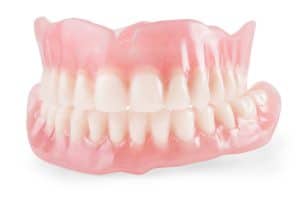
(more…)